
Digital Product Passports
The regulatory instrument that will redefine how products are made, traded, and verified.
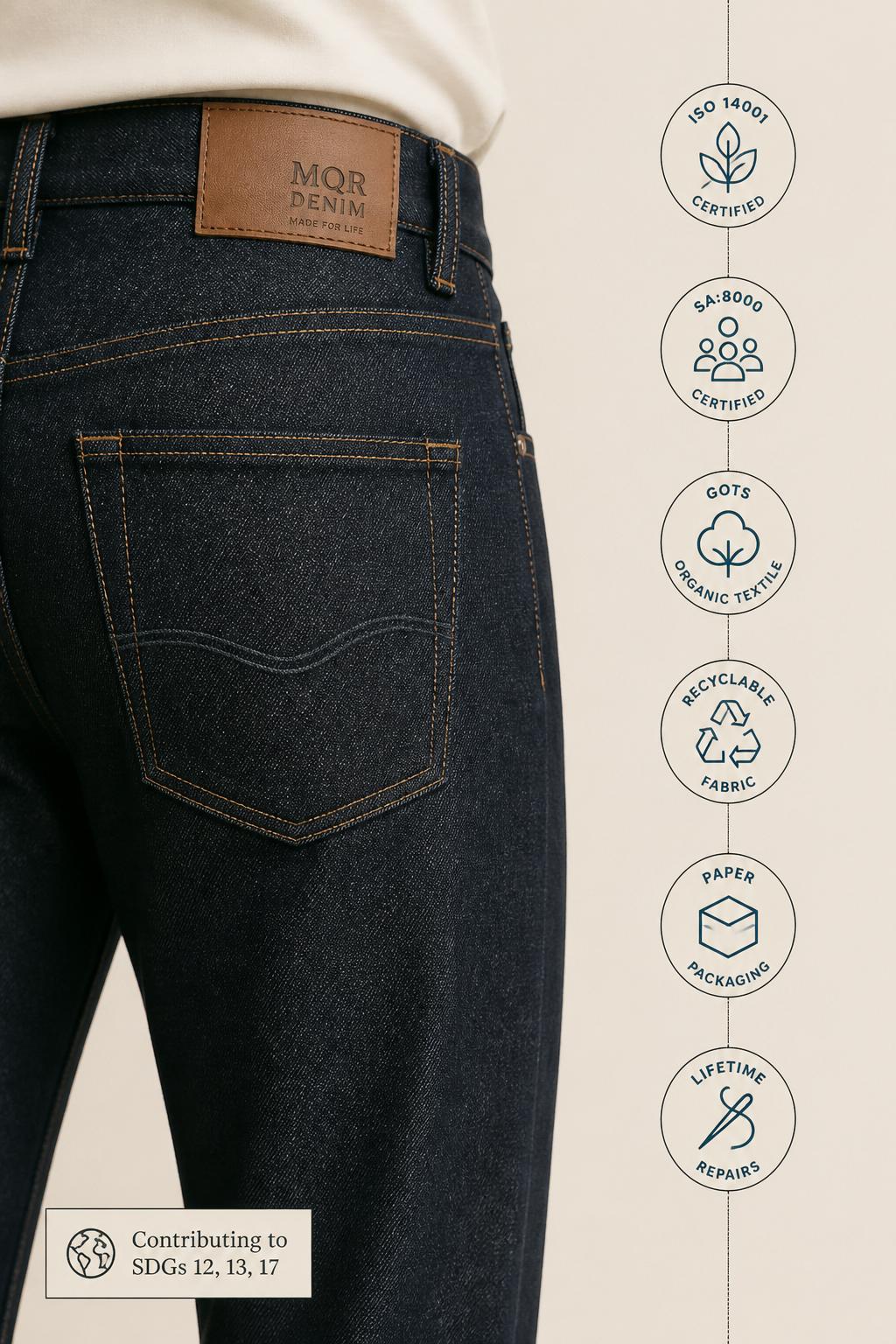
The Digital Product Passport
The Instrument
What is a Digital
Product Passport?
A Digital Product Passport (DPP) is a legal data carrier. It is not a marketing label. It is not a sustainability badge. It is not a QR code that links to a brand story about organic cotton and ethical sourcing.
It is a structured, machine-readable record, attached to a physical product, accessible to regulators, retailers, and market surveillance authorities, that carries verified data about what a product contains, where it came from, how it was made, and what happens to it at the end of its life.
The sustainability dimension is real. DPPs emerged from two decades of pressure to make supply chains transparent, reduce environmental harm, and close the gap between what brands claim and what their products actually contain. That context matters. But sustainability is the reason the regulation exists. It is not the instrument.
The instrument is a legal data obligation. A product without a compliant DPP cannot lawfully enter the EU market once the relevant deadlines take effect. A DPP that carries unverified or incomplete data is not a compliant DPP, regardless of how it looks on a product page or in a brand report.
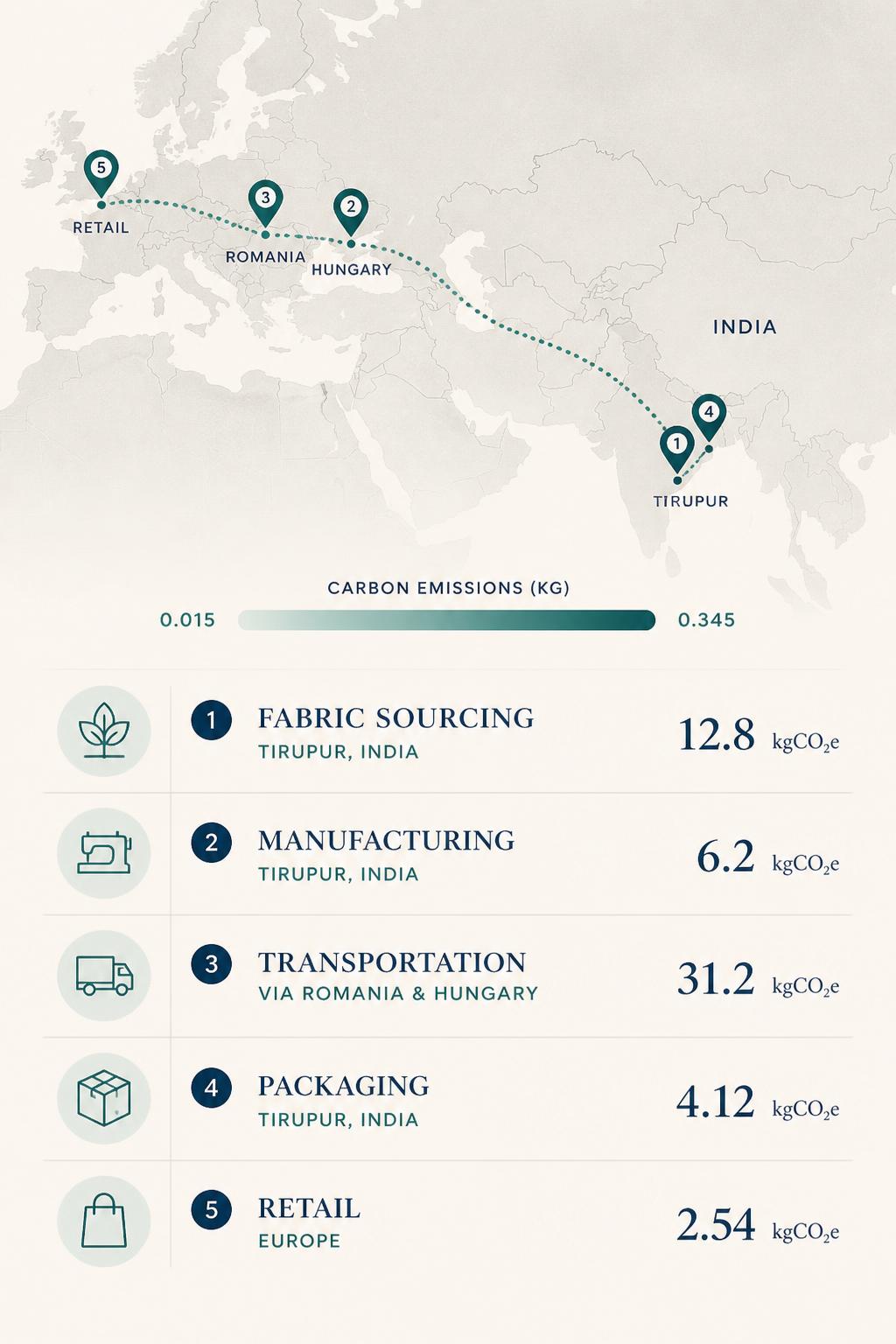
The chain of custody
Illustrative Digital Product Passport views.
That distinction, between a marketing label and a legal data carrier, is the one most brands and retailers are currently failing to make. It is also the one that determines whether your compliance position is defensible.
Origins
Where did Digital Product
Passports come from?
The DPP is the product of two decades of converging pressure: environmental policy, trade enforcement, consumer protection law, and the failure of voluntary sustainability disclosure.
The voluntary disclosure era, and its failure
Through the 2000s and 2010s, product sustainability relied on brand self-declaration. Companies published reports and attached labels with no independent verification, and greenwashing was systemic.
The 2013 Rana Plaza collapse in Bangladesh, which killed 1,134 garment workers, exposed the opacity of global supply chains and accelerated pressure for binding transparency obligations.
The EU Circular Economy Action Plans
The 2015 Circular Economy Action Plan identified supply chain transparency as essential to a circular economy. The 2020 plan proposed the Digital Product Passport as a mandatory, machine-readable mechanism for carrying product data across the supply chain.
The Ecodesign for Sustainable Products Regulation
ESPR (Regulation (EU) 2024/1781) entered into force on 18 July 2024. It replaces the 2009 Ecodesign Directive and makes the DPP a condition of placing products on the EU market. The textile delegated act is indicatively scheduled for 2027, giving an implementation window of roughly eighteen months.
ESPR applies to any product placed on the EU market, regardless of where the brand is based. UK and non-EU brands selling into the EU carry the same DPP obligations.
The UN Transparency Protocol
The UN Centre for Trade Facilitation and Electronic Business (UN/CEFACT) is developing the UN Transparency Protocol (UNTP), a global interoperability standard for supply chain transparency built on W3C Verifiable Credentials. It is the technical infrastructure that determines whether a DPP produced in one jurisdiction can be read and trusted in another.
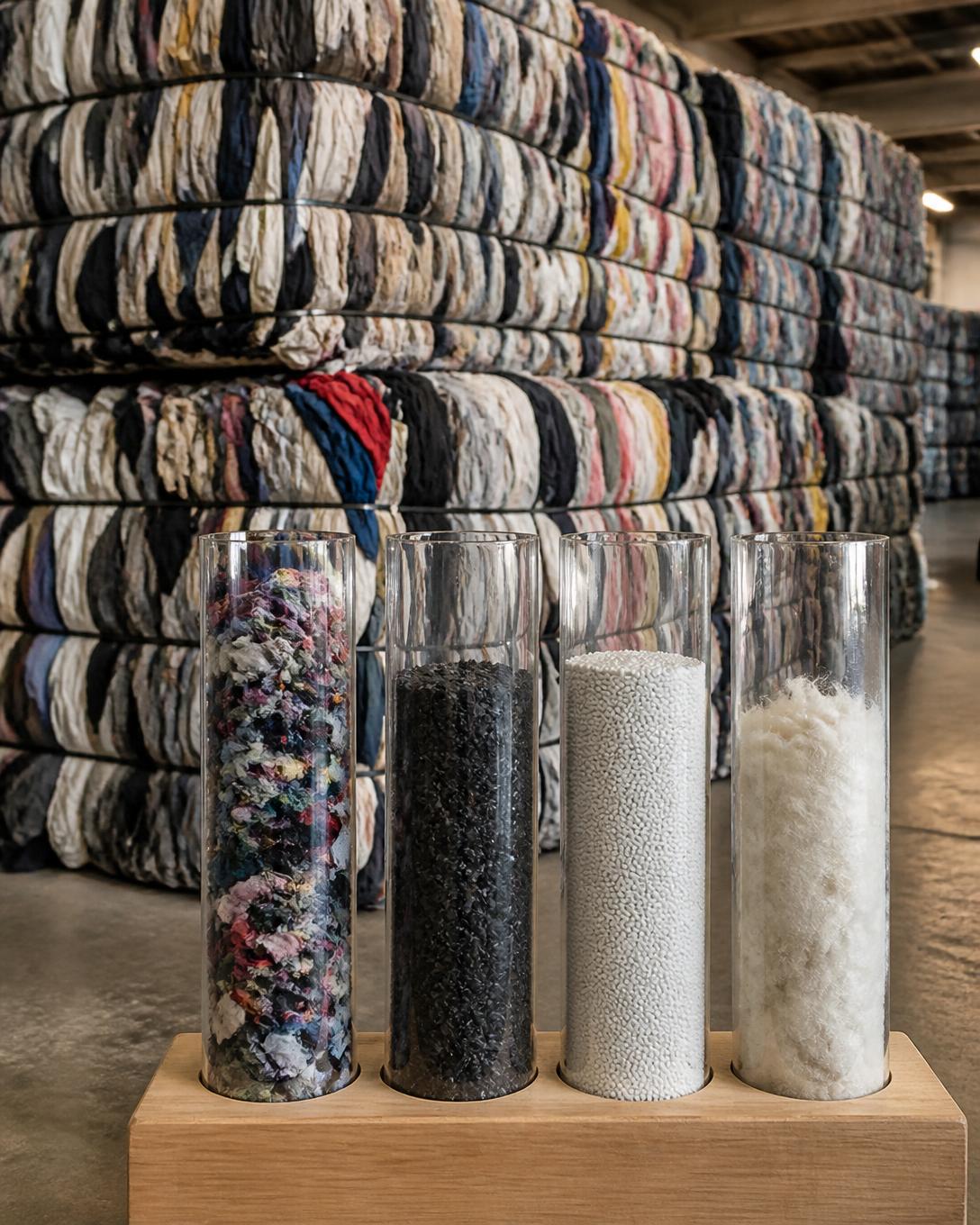
Product
A range is a set of records before it is a set of garments. Composition, origin, durability and end-of-life routing all sit at product level.
Timing
Why now?
Three forces have converged to make 2026 the critical preparation window.
Regulatory deadlines are fixed.
The textile delegated act under ESPR is indicatively scheduled for 2027. From that point, the implementation clock of approximately eighteen months starts. Brands and retailers that have not begun their DPP programmes will be building under time pressure with no tolerance for iteration.
Supply chain data takes longer than brands expect.
The data a DPP requires, multi-tier supplier provenance, product-level carbon footprint, material composition verified back to source, is not data most brands currently hold in a structured, verifiable form. Assembling it is a supply chain project, not a technology project. The data work comes first and takes significantly longer.
The retailer position is changing.
DPPs place verification obligations on retailers, not only manufacturers. A retailer accepting product with a non-compliant or unverifiable DPP carries liability exposure. The quality of supplier DPP data is becoming a condition of market access.
Data Requirements
What a DPP must
contain
ESPR establishes categories of required data. Product-specific requirements are confirmed through delegated acts. For fashion and textiles, the data obligations will include:
Material & fibre composition
Verified back to source, every fibre, every blend, every percentage.
Supply chain provenance
Multi-tier traceability from raw material to finished product.
Environmental footprint
Product-level carbon and environmental impact data.
Circularity information
Recyclability, repairability, and disassembly guidance.
Compliance documentation
Conformity records and regulatory certification evidence.
Authorised Representative
For non-EU brands, identity and formal appointment details.
The passport sample the EU DPP Registry accepted on 20 July 2026 carried 67 data points. A UNTP-conformant passport can carry up to 236, and the delegated act will tell us which of those become mandatory for textiles. Symolem-ID passports are UNTP-conformant and accepted by the EU DPP Registry.
Get in touch
Prepare your products for
Digital Product Passports
A short conversation is usually enough to establish where your product data stands and what the next twelve months need to look like.
Further reading
Read more on this



Led by Lavinia Fernandes, a UN/CEFACT UNTP Supply Chain Working Group member.
Digital Product Passports
Where to go next
Plain-English pages on the rules that apply to you, the evidence you need, and the people who do the work.
Looking for something specific? See every page on the site.