Human Impact Equivalence Framework® · Case Study

BALWA Africa Enterprise

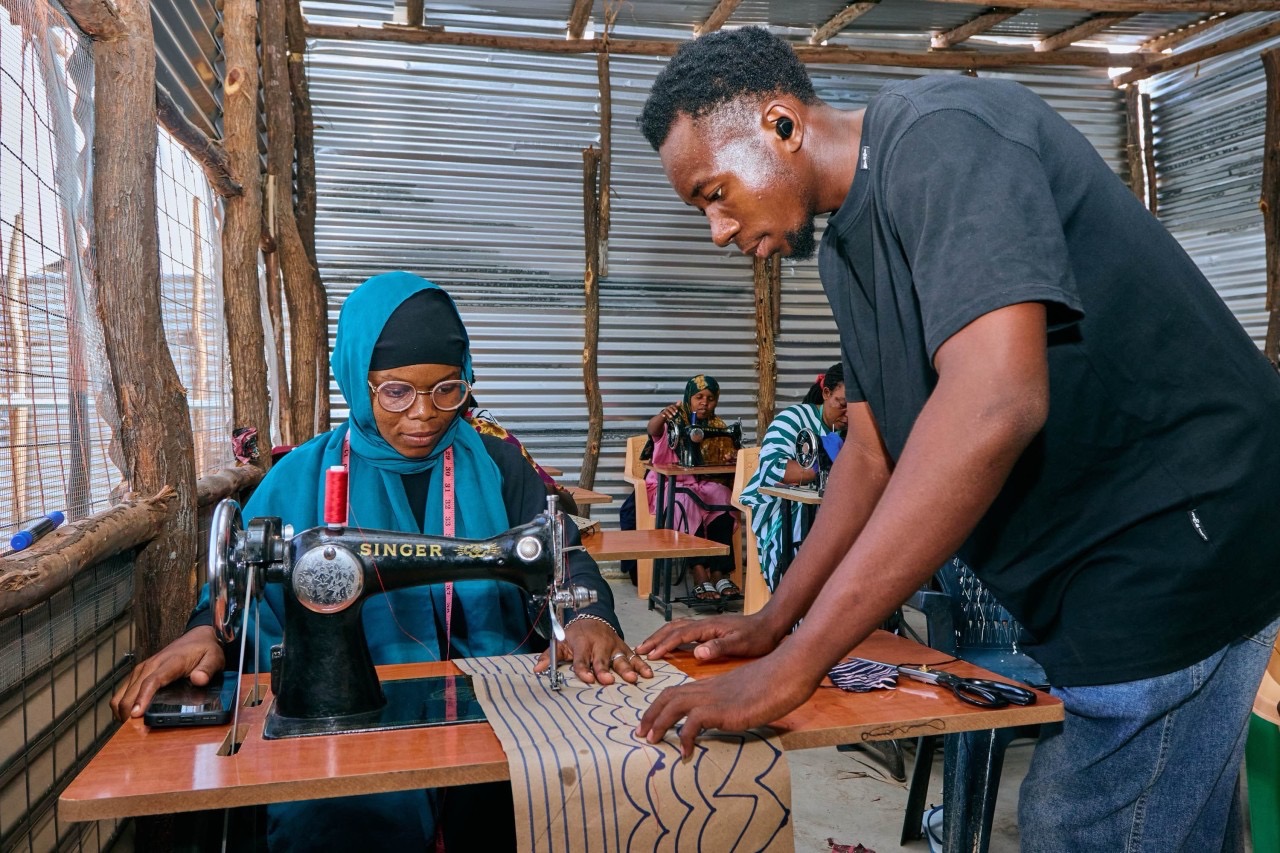
A tailoring training hub in Kakuma Refugee Camp, Turkana County, Kenya. This case study sets out how the Human Impact Equivalence Framework® applies to a live operation — what is countable today, and what it will measure once cohorts are tracked.

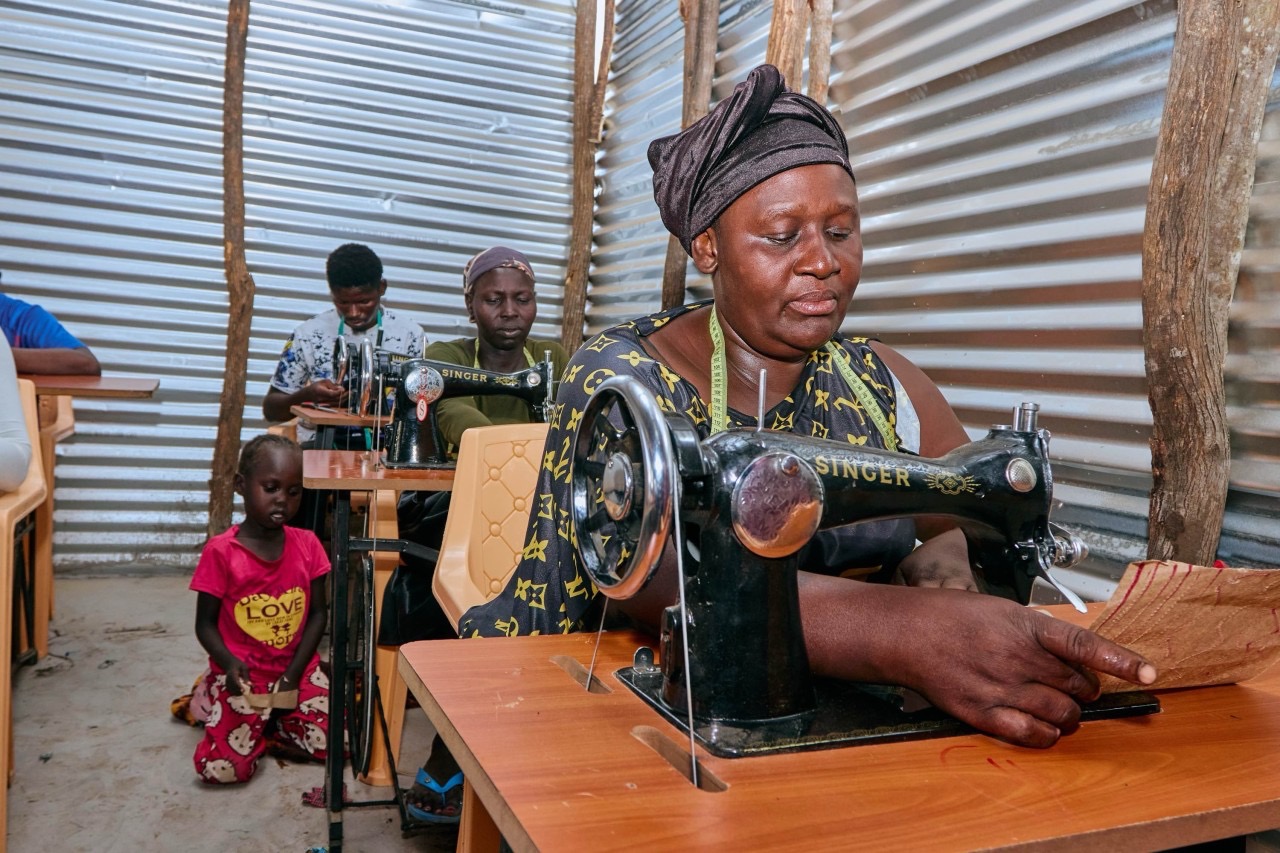
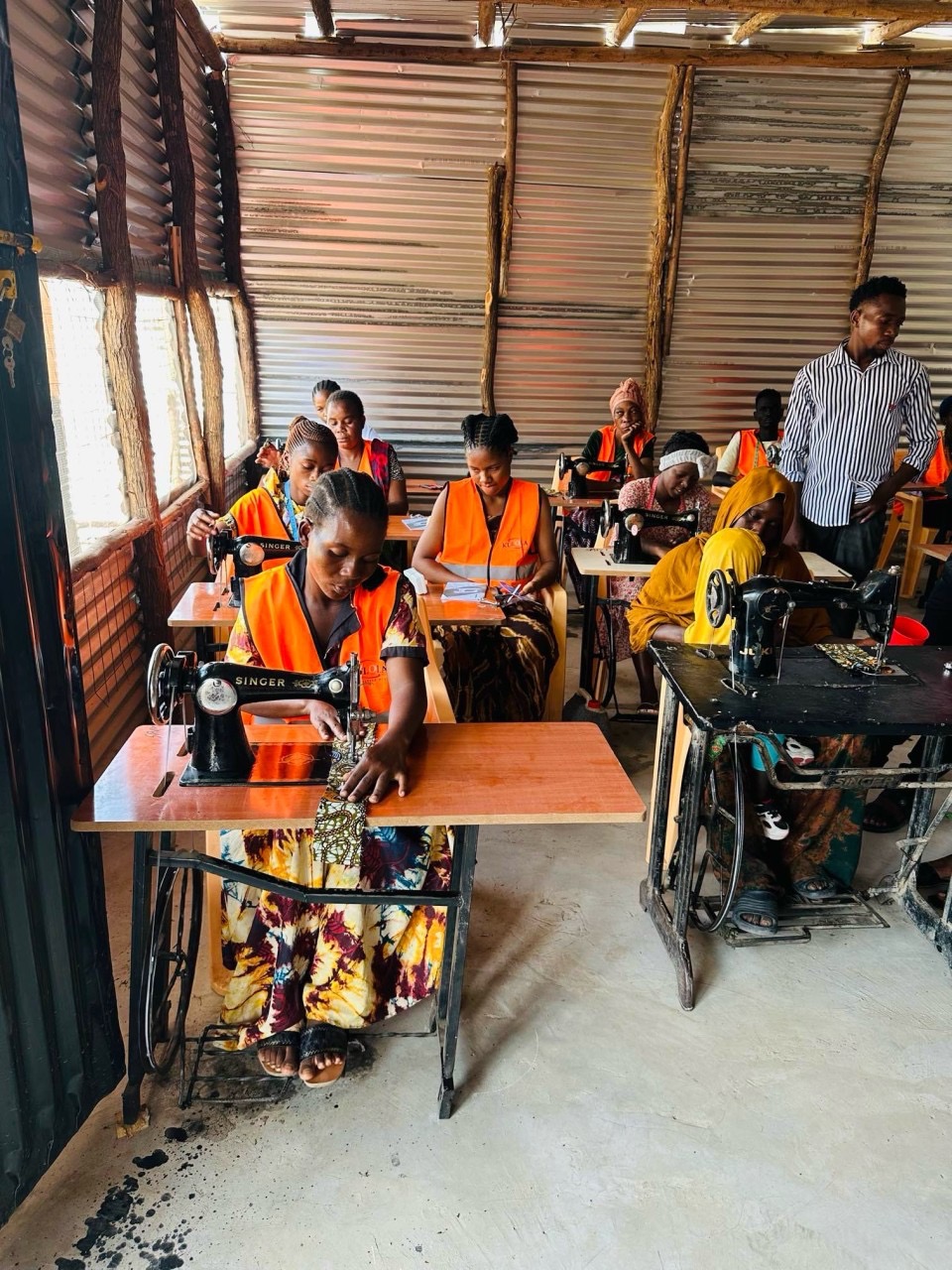
BALWA Africa Enterprise training workshop in Kakuma Refugee Camp

The operation

BALWA Africa Enterprise is a tailoring training hub inside Kakuma Refugee Camp, in Turkana County, Kenya.

The hub currently trains nineteen people per session, in a morning and an afternoon cohort, on a six-month programme. A waiting list of seventy sits behind current capacity. The team is eight, including four tailoring trainers rotating two per session. The trainee population is majority women and young girls. Training is presently carried out on waste and offcut fabric.

A cooperative structure for the operation is in development.
19

Trainees per session, morning and afternoon

70

On the waiting list

6

Month training programme

8

Team members

Why this is the test case for HIE®

Symolem's advisory work concerns material flows and their human consequences. Regulations arrive as data fields; the effects arrive as livelihoods, hours worked and households supported. A framework that claims to measure impact must be legible at both ends of that chain.

Kakuma sits at the receiving end of the global second-hand clothing trade. What Europe exports as surplus becomes, in Turkana, the material conditions of daily life — sometimes as commercial supply, often as waste with no infrastructure to absorb it. It is not a symbolic location for a framework of this kind. It is where the assumptions in the framework are tested against reality.

This is where a methodology that measures outcomes in human terms has to prove itself. BALWA is a real operation with a defined cohort, a defined programme and a defined ambition. That is the ground on which the Human Impact Equivalence Framework® is applied here.

What HIE® measures here

What is countable today is the shape of the operation: trainees per session, cohort size, waiting list, team, programme length. What has not yet been measured is what happens after a cohort completes. Outcome tracking is not in place at the point this case study is published.

The Human Impact Equivalence Framework® sets out, in advance of any claim, what will be evidenced. Being explicit about that sequence — the measures, then the results — is the discipline the framework exists to enforce. The categories being established here are:

  • Training completion

    Trainees who complete the full six-month programme, by cohort.

  • Progression into paid work or independent production

    Movement from training into employment, contract sewing, or self-run production.

  • Household reach

    Dependants supported by the income each trained tailor generates.

  • Durability of income over time

    Whether that income holds twelve and twenty-four months after the programme.

These are the measures being established. They are not results being claimed.

Symolem's role

Revenue and cost modelling

A working unit economics view of training, production and equipment.

Financial management and record-keeping

Books, reporting and controls that funders can read.

Governance and structure

The legal shell and decision rights that let the operation scale.

Funding readiness

A documented case that is presentable to equipment funders and institutional partners.

BALWA Africa Enterprise remains Samson Alex Mlinda's organisation. Symolem's work is to structure it so that the equipment funding needed to grow can be secured.

Photographs from the workshop

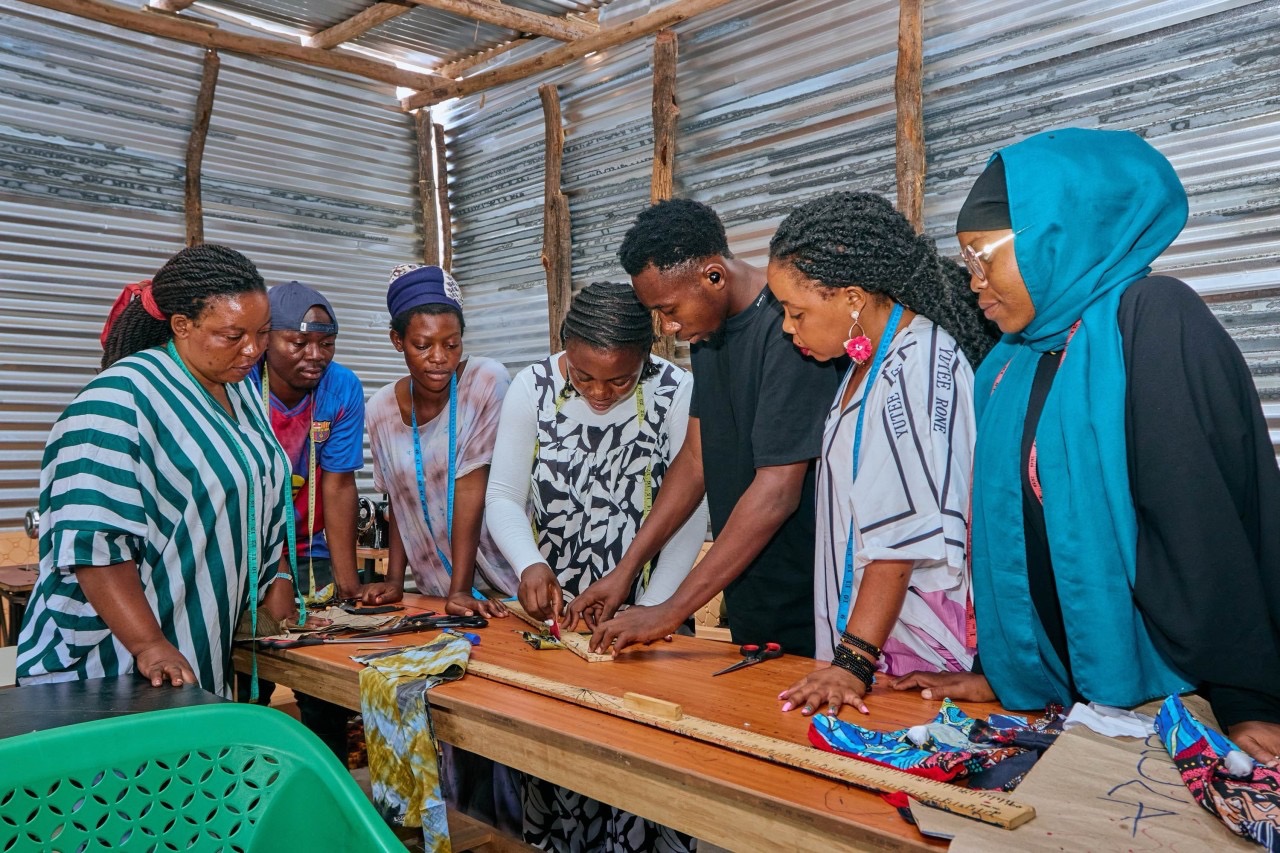
Trainer working through a pattern with a cohort member.
Cohort gathered around the cutting table during a group exercise.
Machines in use during a morning training session.
Trainees at work on the production floor.
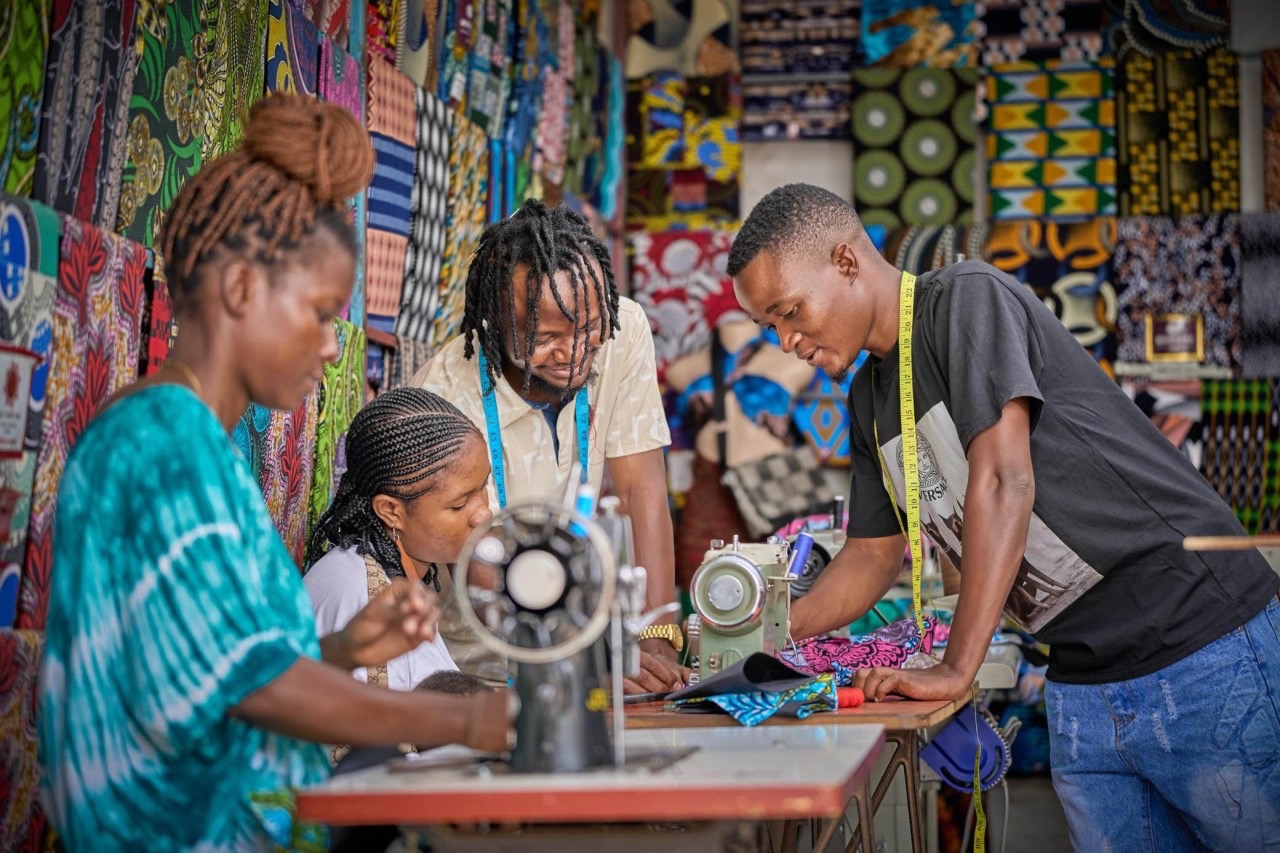
Tailoring instruction at a fabric market outside the camp.

How to help

Equipment donations

BALWA needs industrial sewing machines, overlockers and related tailoring equipment to expand training capacity and clear the current waiting list.

Organisations with surplus or end-of-life equipment in good working order are invited to get in touch. Symolem coordinates assessment and logistics on behalf of BALWA. Shipping to Turkana County is discussed case by case.

Contact us about equipment