
Fashion
Why fashion is being regulated
No consumer sector is being legislated at this pace. The reason is not that fashion is uniquely careless. It is that the industry's operating model, outsourced production with falling prices and rising volumes, has been visible for more than a decade, and voluntary correction has not delivered.
Regulation is the response to that. Understanding what it is trying to fix is the fastest route to complying with it.
Labour
A social record made visible by disaster
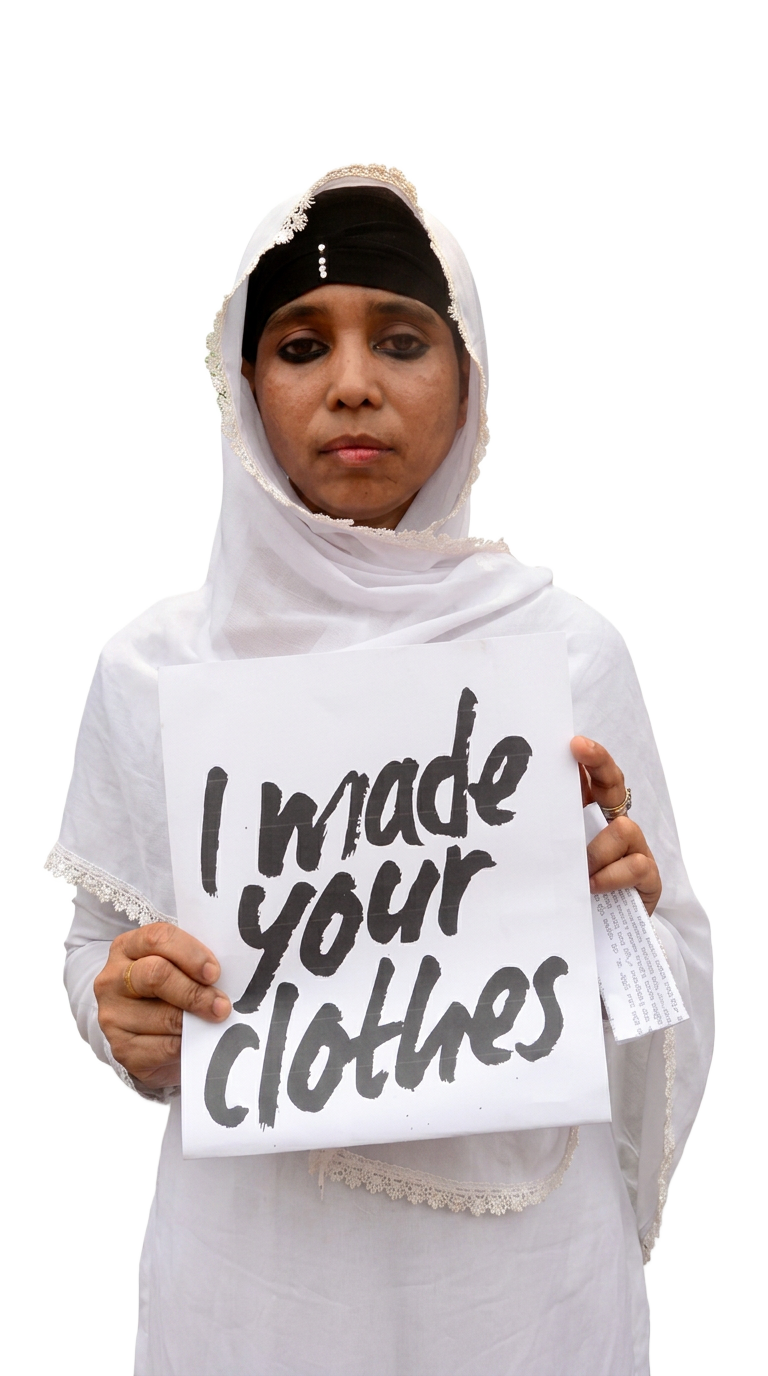
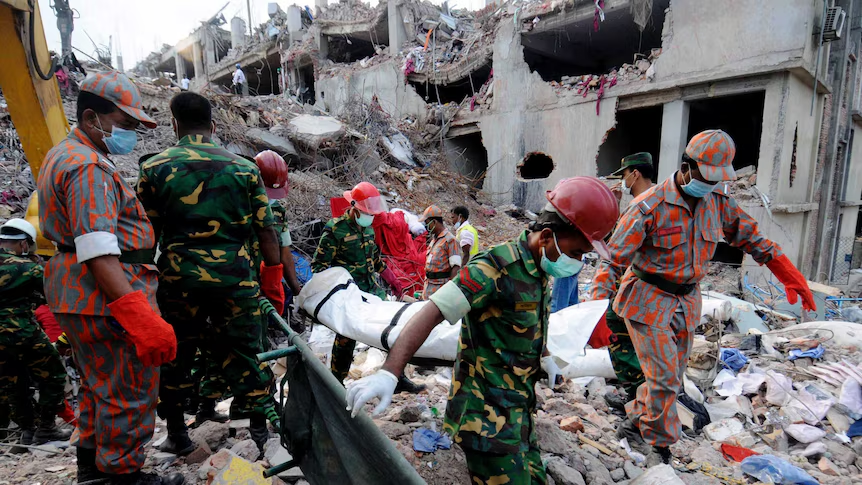
On 24 April 2013 the Rana Plaza building in Dhaka, Bangladesh collapsed, killing 1,134 garment workers. The disaster shocked the world. What made it more tragic still was that, in the days that followed, several brands could not say with certainty whether their products had been made there. That absence of chain-of-custody knowledge shaped the decade of regulation that followed.

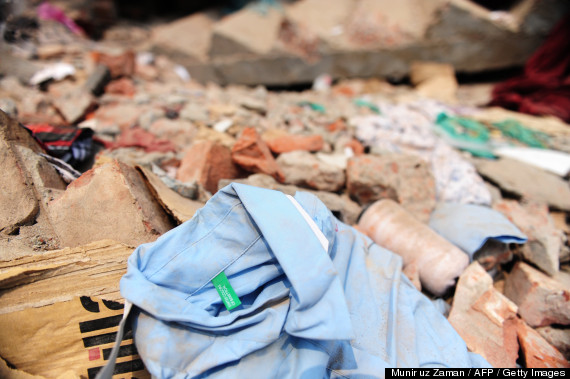
The pattern has not ended. On 9 July 2026 a fire destroyed the Fujian Huiteng footwear factory in Jinjiang, killing 28 of the 239 people inside. Jinjiang produces roughly a fifth of the world's athletic shoes, over a billion pairs a year, and Huiteng supplied both Chinese and international brands.
Outsourcing distributed manufacturing across thousands of sites without distributing accountability with it. Due diligence law exists because the industry could not answer where its products were made or under what conditions. Germany's supply chain act is already in force; the EU's Corporate Sustainability Due Diligence Directive, narrowed and delayed through the 2026 omnibus package, now applies from July 2029, with national transposition the year before. The direction has not changed. The timetable has.
Materials and land
Fibre, forest and the limits of substitution
Man-made cellulosic fibres including viscose, modal and lyocell are produced from wood pulp, and a share of that pulp has historically been sourced from ancient and endangered forests. Deforestation risk sits several tiers upstream of any brand that has never had direct contact with a pulp mill.
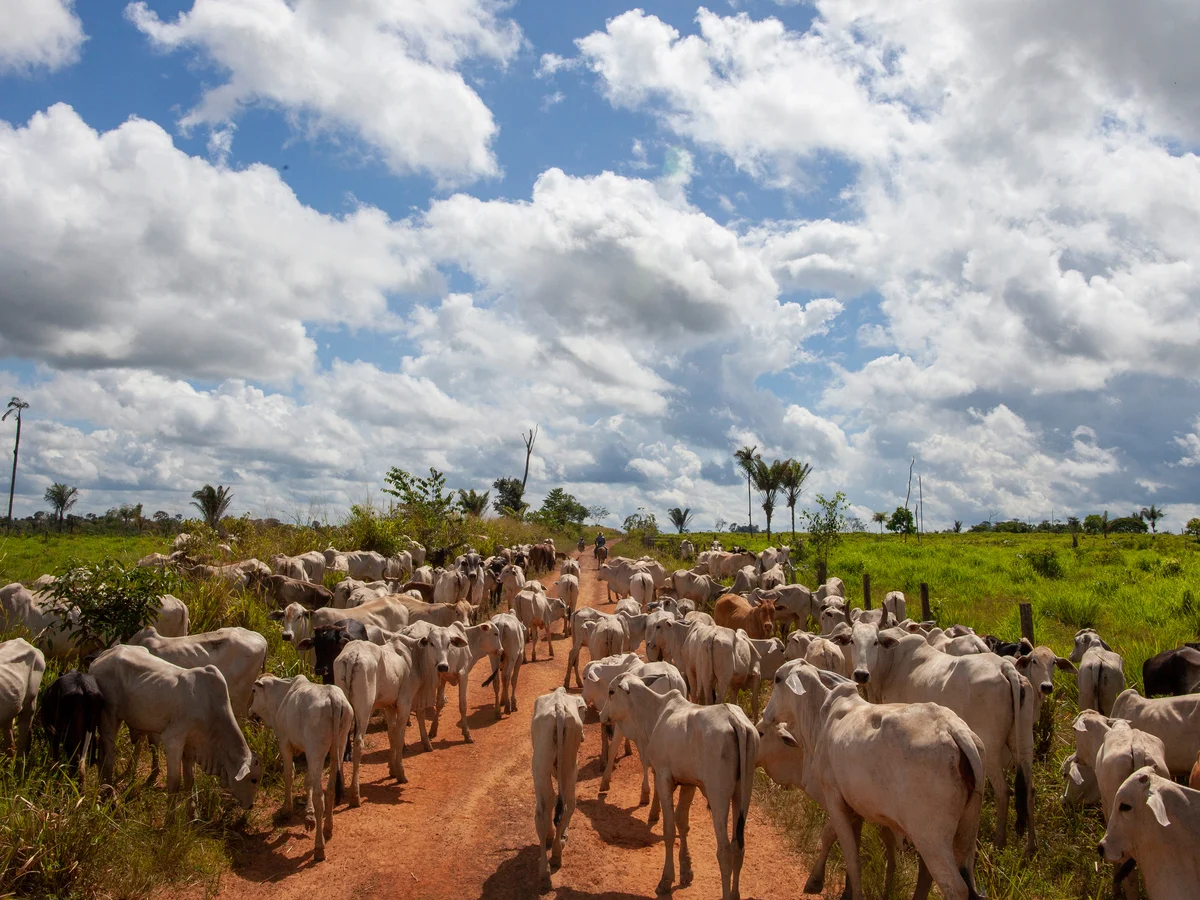
The EU Deforestation Regulation reaches fashion through wood, cattle and natural rubber: the pulp behind viscose, the hide behind leather, the sole of a shoe. Application was deferred a second time, to 30 December 2026 for medium and large operators and 30 June 2027 for micro and small operators. The 2026 updates narrowed the annex for some finished articles where leather is not the principal component, but raw and semi-finished hides remain in scope.
Explainer
EUDR: what a fashion range has to prove
Regulation (EU) 2023/1115, as amended. Application was deferred a second time: medium and large operators from 30 December 2026, micro and small operators from 30 June 2027.
Still in scope
- Wood pulp behind viscose, modal and lyocell
- Raw and semi-finished cattle hides and leather
- Natural rubber in soles and trims
- Wood, paper and card in packaging and hangtags
Narrowed by the 2026 updates
- Finished goods where leather is not the principal component
- Certain footwear parts and travel goods lines
- Downstream actors re-submitting upstream coordinates
Leather has not left the regulation. Raw and semi-finished hides remain covered; the narrowing applies to some finished articles where leather is not the principal material. Treat any scope call as product-code specific.
The geolocation chain
01
Plot of land
Every consignment traces back to the land it came from. For crops, plot-level polygons where the area exceeds four hectares. For cattle, point coordinates of each establishment where the animals were kept.
02
Geolocation to product
Coordinates must be tied to a specific batch, not a supplier average. This is the step most fashion supply chains cannot yet complete above tier 2.
03
Due diligence statement
The operator placing goods on the EU market files a statement in the EU information system and receives a unique reference number.
04
Reference passed downstream
Traders and downstream operators discharge their duty by citing that reference number rather than re-declaring the underlying geolocation data.
The response has been material innovation, much of it genuinely inventive: fibres derived from agricultural residue, citrus peel, banana stem and food waste streams, alongside mechanically and chemically recycled feedstock. Almost all of it remains at pilot volume against a market measured in tens of millions of tonnes.
Substitution is the intuitive answer and the slowest one. A fibre that does not yet exist at scale cannot decarbonise a range, and none of the deadlines are waiting for it.
Chemistry, water and heat
The stage nobody sees
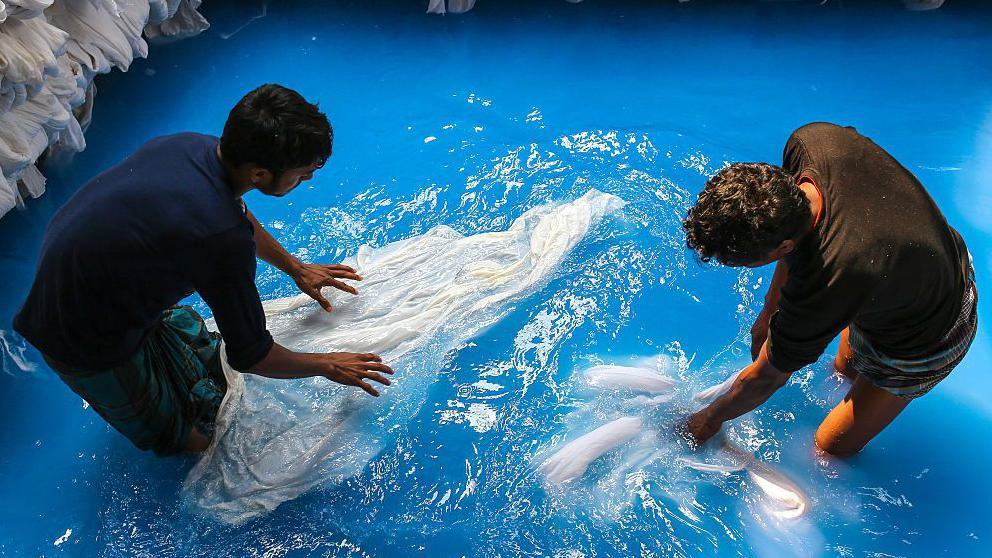
A garment is a chemical product as much as a textile one. Colour, handle, water repellency, wrinkle resistance, anti-microbial finish: each is a chemical process applied at a mill or a dye house, usually two or three tiers from the brand and often at a facility the brand holds no contract with.
Thousands of substances are in routine use. The EU's candidate list of substances of very high concern now runs past 250 entries, and where an article contains one above the threshold it must be notified to the authorities. It is a duty many fashion businesses have never operated, because the substance was applied by someone they have never met.
PFAS is the clearest case. Used for water, stain and grease repellency, and persistent enough that the exposure does not end when the garment does. What a brand faces now is not one rule but a patchwork: France banned PFAS in clothing textiles and footwear from 1 January 2026, Denmark followed on 1 July 2026, and the REACH restriction on PFHxA reached clothing textiles on 10 October 2026. The universal restriction proposed by five member states is still moving through the European Chemicals Agency, with committee opinions expected to reach the Commission by the end of 2026 and any resulting restriction unlikely to apply before 2029.
The same buildings carry the water and the heat. Dyeing and finishing are thermally intensive and are frequently powered by captive coal boilers across South and Southeast Asia, and the effluent from those processes is what reaches the river. For a brand, decarbonising a product means changing an energy source it does not own, at a facility it does not contract with directly, in a country where the grid is not its decision.
Voluntary chemical management programmes have existed for more than a decade and have improved practice at the facilities inside them. They did not become the industry baseline. That is why the baseline is now being set in law.
Microplastics from synthetic textiles
What the garment releases
The microplastics problem in fashion is, for the most part, a synthetic textiles problem. Polyester, nylon, acrylic and elastane are used in roughly 60% of clothing and 70% of household textiles. They shed across the whole life of the product: during manufacture, during wear, during every wash, and after disposal.
Microfibre release from synthetic textiles is now assessed as the fourth-largest source of microplastic pollution in the EU, behind paint, tyres and industrial pellets. Fragments have been found in food, in drinking water and in human tissue. The health evidence is still being assembled, and that is not a reason to wait for it.

The scale is still being revised upwards. A national survey led by the University of Portsmouth, using GB Row Challenge expeditions to sample coastal waters, found microplastic pollution around Britain's coastline could be double previous estimates. The research points to a wider distribution of smaller fragments than earlier studies captured, much of it originating from synthetic textile and plastic use.
It is also the least regulated of the harms on this page. The EU restriction on intentionally added microplastics covers glitter and microbeads. It does not reach fibre shedding from synthetic textiles, which is unintentional release and currently sits outside any binding threshold.
That is the gap the textiles delegated act is expected to close. Standardised test methods already exist in the ISO 4484 series, the product environmental footprint rules for apparel now require fibre fragment impacts to be reported for every fibre type including natural ones, and the evidence points at design as the largest single lever: tighter yarns, denser constructions, and industrial pre-washing with filtration before a garment is ever sold.
For a brand the implication is specific and uncomfortable. Recycled polyester answers a feedstock question and does not answer this one. A garment made from recovered bottles sheds in the same way as one made from virgin polymer, and the substitution that has carried most of the industry's synthetic sustainability messaging does not address the release at all.
End of life
Destruction, export and the absence of infrastructure
Unsold stock has routinely been destroyed rather than discounted, to protect price positioning and brand equity. The ESPR now prohibits the destruction of unsold clothing and footwear by large companies from 19 July 2026, the first concrete obligation the regulation imposes.
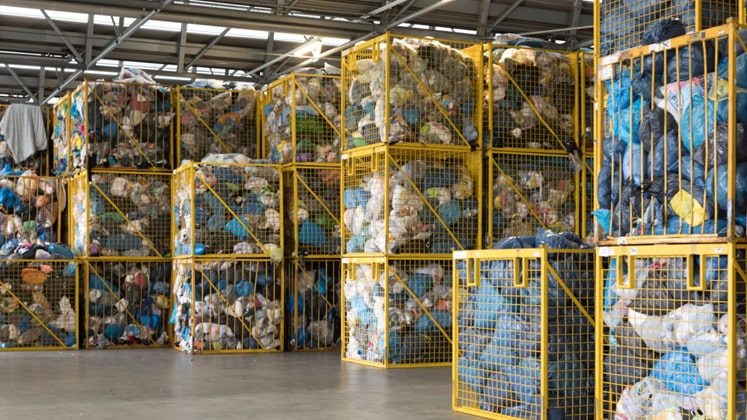
Most of what is donated leaves the country as second-hand exports. Kantamanto in Accra is the largest such market: fifteen million garments arrive every week, bought unseen in bales. Much is commercially sold, but the discard happens downstream, in a city with no formal textile waste infrastructure. Waste accumulates, enters waterways, and returns to the coastline.
This is not a disposal problem in a distant market. It is the end of a product system that begins with a design decision and a price point in Europe. From 19 July 2026 the ESPR prohibition on destruction is in force for large companies, and Extended Producer Responsibility rules for textiles are rolling out across EU member states and globally. The aim is to attach that downstream cost back to the party that placed the product on the market.
The underlying driver
Volume and price
Neither materials nor factories are the primary problem. The primary problem is that people buy more garments and pay less for each of them, and every efficiency gained per item is absorbed by the number of items.
This is not straightforwardly a failure. Clothing that was once expensive is now within reach of almost everyone, and the democratisation of fashion is a genuine social good. When Primark launches a collection at accessible prices it is answering real demand from customers for whom a sustainability premium is not a choice they can make.
That is the tension regulation has to resolve. Sustainability has been priced as an upgrade, sold at a green premium to the customers least exposed to the cost of the alternative. A system that only improves at the top of the market does not improve.
Underneath sits a linear product system: designed for volume, priced for turnover, and structurally uninterested in what happens after the sale. Circularity is not a material substitution. It is a different commercial model.
The response
What the regulation is designed to change
Read together, the instruments are consistent. Due diligence law attaches responsibility for conditions upstream. Restricted substances rules govern what may be in the product at all. Extended Producer Responsibility attaches cost to what happens downstream. Green claims rules require substantiation of what is asserted in between. The Ecodesign for Sustainable Products Regulation, and the Digital Product Passport it mandates, supply the evidence layer that makes the other four enforceable.
Microplastics is the one still being written, and it shows how this now works. The harm is established, the test methods exist, and the requirement will arrive as a product-level threshold carried on a passport rather than as a target in a report.
Taken individually each looks like an administrative burden. Taken together they are an attempt to reattach the full cost of a garment to the party selling it.

Composition
Digital product identity
Digital product identity is the verified record that links a garment to its fibre, origin, manufacture and claims. It is the foundation a Digital Product Passport exposes — so a regulator, customer or recycler can read the product's evidence, not just its marketing.

Construction
Verified claims
Verified claims start with who made the garment and where. Tier 1 CMT and tier 2 fabric makers are where labour and material risk sit. When Rana Plaza collapsed, brands could not say with certainty whether their products had been made there. A passport makes that silence impossible.
Materials
Material Inputs
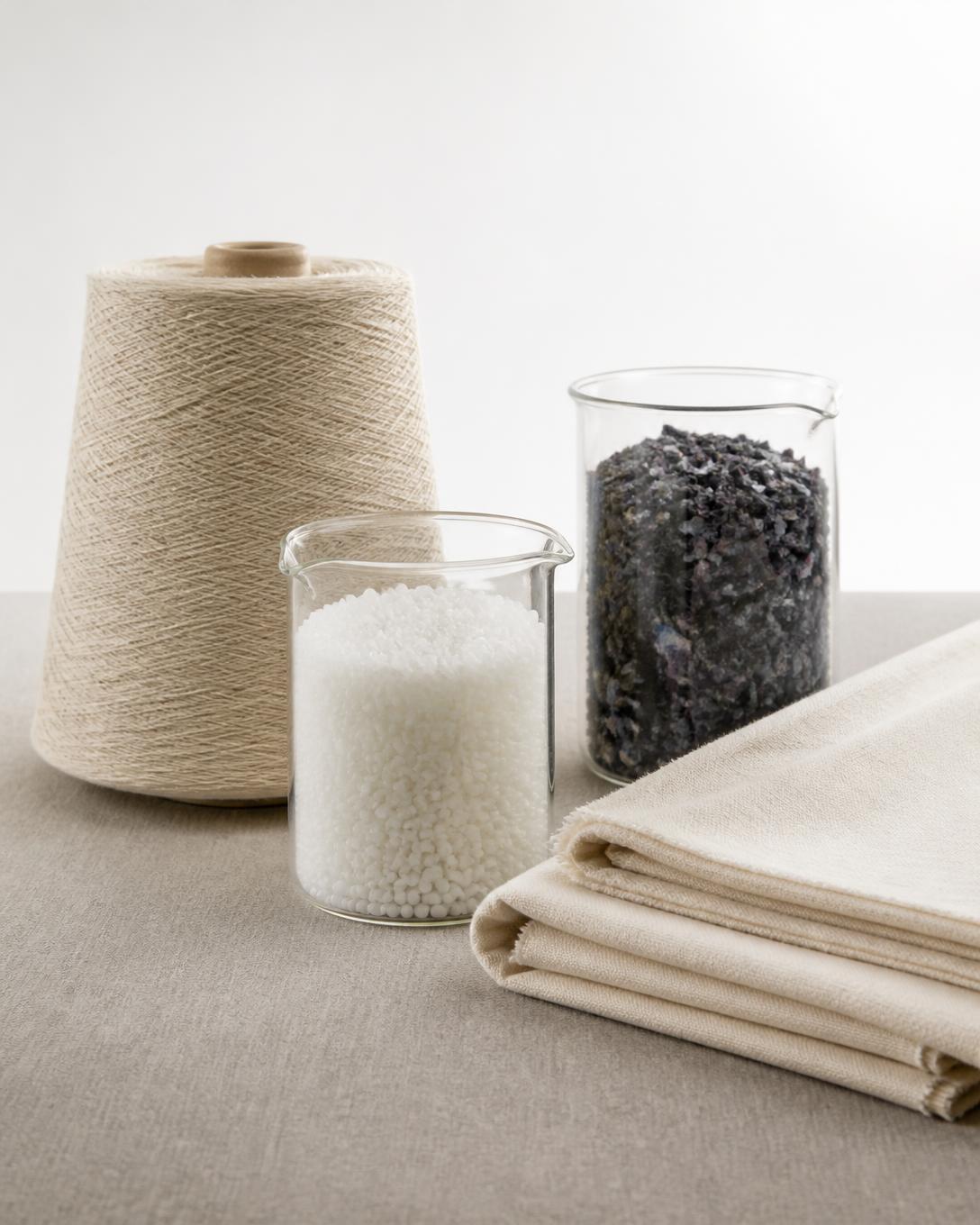
A passport is only as good as the data behind it. Fibre origin, polymer type, recycled feedstock percentage, chemical finishes and country-level composition each carry their own evidence trail, and each sits under a different EU rule: ESPR, EUDR, REACH, SCIP or the Packaging Regulation. Brands must name the actual inputs, not the marketing intent, and must be ready to back each claim with chain-of-custody documentation, test reports or mass-balance evidence. A vague declaration can be challenged as greenwashing; a precise one becomes a liability defence.
Evidence
What a brand can prove about a garment is now the same question as what it can sell. We build the record that answers it.
The gap
A sustainability report is not a product passport
Almost every brand now publishes a sustainability report. It covers targets, emissions, materials volumes, supplier audits, and progress against commitments. It is useful — but it is about the organisation, not the product.
A Digital Product Passport is different. It sits on the individual item, style or batch, and it answers a different set of questions: what this garment is made of, where each component came from, who made it and under what conditions, what was applied to it, and what happens to it afterwards. Per item, structured, and auditable.
A report is written once for the company. A passport is written for every product that ships, and it must hold for that unit at every checkpoint. The evidence has to be captured at the point the fact becomes true — inside production, not after it. That is what changes now.
What this requires now
The next twelve months
The arc on this page runs over a decade. Almost everything a business can act on sits inside the next year.
Scope
Which products, which markets, which dates. The answer is rarely obvious.
Responsible economic operator
Who carries EU duty? Most brands have not confirmed this, and assumptions are expensive.
Claims, before 27 September
Empowering Consumers takes effect. Existing marketing language may not survive the new standard.
Chemical position
PFAS rules are national before they are European. France and Denmark are already ahead of EU-wide rules.
Unsold stock position
The destruction ban is in force. Discarded volumes must be published from February 2027.
Where the data sits
The evidence exists somewhere in the supply chain. The question is whether it can be produced on request.
How we help
Where Symolem works
Regulatory position
What applies to your business now, what applies next, and what evidence each obligation requires.
Supply chain data
Multi-tier mapping, supplier evidence collection and the data structure that makes it reusable across regimes.
Product-level evidence
Material composition, footprint and claims substantiation at the granularity a Digital Product Passport requires.
Circularity and end of life
Producer responsibility registration, eco-modulation exposure and end-of-life routing.
Who we work with
Fashion brands and own-label retailers placing product on the UK and EU markets.
Multi-brand retailers, department stores and marketplaces carrying third-party inventory.
Garment and textile manufacturers supplying European buyers.
Resale platforms and circular business models.
Understanding what applies to your business
A short conversation covering your markets, your product categories and the obligations arriving first.
20 minutes on your products and the rules that apply to them.Further reading
Read more on this



Led by Lavinia Fernandes, a UN/CEFACT UNTP Supply Chain Working Group member.
Who we help
Where to go next
Plain-English pages on the rules that apply to you, the evidence you need, and the people who do the work.
Looking for something specific? See every page on the site.