Carbon and Climate Advisory
Carbon claims are catching up with carbon reality.
For two decades, climate strategy has been a story told in averages, offsets and projections. That era is closing. Carbon methodology is now scrutinised by regulators, investors and downstream buyers, and the gap between what an organisation claims and what it can evidence is becoming a financial exposure.
Symolem advises on carbon footprinting, climate methodology, and net-zero strategy that holds up under audit. We come from carbon markets, voluntary and compliance, and we design climate work that survives contact with the regulatory architecture being built around it.
“Strategy that survives the methodology test.”
Climate work is no longer a narrative exercise. It is an evidence exercise.
Book a 30-minute call →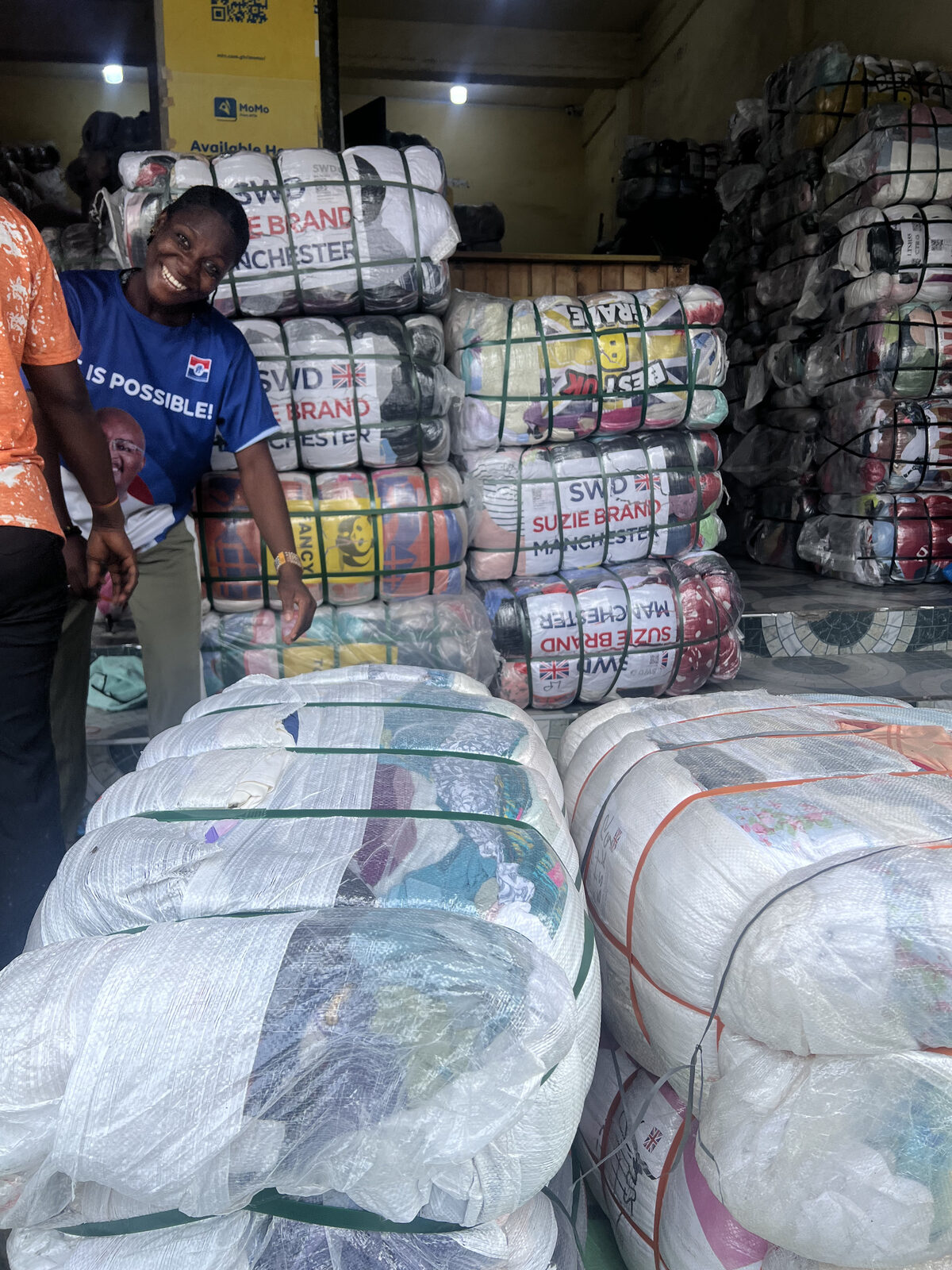
The convergence reshaping carbon work
Three forces are collapsing the distance between climate claim and climate evidence.
Regulatory scrutiny is tightening across jurisdictions. The EU's Corporate Sustainability Reporting Directive (CSRD), the Corporate Sustainability Due Diligence Directive (CSDDD), the Green Claims Directive, and the Ecodesign for Sustainable Products Regulation (ESPR) all require carbon disclosure built on defensible methodology. The UK's Sustainability Disclosure Standards (SDS), aligned with ISSB, follows. The US SEC climate disclosure rules, even in revised form, push public companies toward Scope 3 transparency. Each of these regimes converges on the same requirement: show your working.
Voluntary carbon markets are being rebuilt around integrity. The Integrity Council for the Voluntary Carbon Market (IC-VCM) Core Carbon Principles, the Voluntary Carbon Markets Integrity Initiative (VCMI) Claims Code, and the converging guidance from CDP, SBTi, and the Greenhouse Gas Protocol have raised the bar on what counts as a credible carbon credit and what counts as a credible claim about its use. Buyers who built net-zero strategies around legacy credits are now finding those credits revalued, retired, or excluded from new claims frameworks.
Downstream buyers are passing the burden upstream. Brands and retailers facing CSRD and ESPR disclosure cannot meet their Scope 3 obligations without their suppliers' data. Procurement criteria are increasingly tying supplier selection to carbon performance evidenced under defensible methodology, not self-declared. The commercial pressure is moving faster than the regulatory deadlines.
The organisations that get this right treat carbon as a discipline grounded in measurement and methodology, not as a department generating narrative. The ones that don't are facing the audit, the regulator, and the buyer at the same time, with a methodology built for a world that no longer exists.
How we work
Symolem operates across the full carbon stack, upstream embedded emissions through to downstream use-phase and end-of-life. Our work falls into four areas, often combined within a single engagement.
Carbon footprinting and Scope 1, 2, 3 accounting
We build product-level, organisational, and supply-chain carbon footprints designed to satisfy the methodologies they will be assessed against, GHG Protocol, ISO 14064, PAS 2050, and category-specific Product Environmental Footprint (PEF) rules where applicable.
For most organisations, the methodology decisions made early in the work determine whether the resulting footprint survives scrutiny. We focus on those decisions: system boundary, allocation rules, primary versus secondary data choice, uncertainty treatment, and the documentation trail that lets an auditor reconstruct the calculation.
Scope 3 is where most footprints break down. Categories 1 (purchased goods and services), 4 (upstream transportation), 11 (use of sold products), and 12 (end-of-life treatment) carry the majority of emissions for most product-led businesses, and the majority of methodology disputes. We design Scope 3 work that holds up because the methodology was defensible before the number was generated.
Climate strategy and net-zero pathway design
A net-zero target is a commitment to a methodology, not just to a number. We design science-based pathways aligned with the SBTi sectoral frameworks where they exist (fashion, FLAG, financial institutions, maritime, others in development) and with PAS 2060 or the ISO Net Zero Guidelines where sector-specific frameworks do not.
The pathway has to answer specific questions: which emissions are in scope and on what basis; what trajectory of absolute reductions is required; what role beyond-value-chain mitigation plays; how residual emissions are handled; how progress is measured and disclosed. Each of these is a methodology decision that determines whether the strategy survives audit five or ten years from now.
Voluntary carbon market methodology and project design
Our team has built and reviewed methodologies in the voluntary carbon market across forestry, agriculture, waste management, and emerging sectors including textile circularity and methane abatement. We advise organisations on how to use voluntary credits credibly under the current generation of integrity frameworks (IC-VCM CCP, VCMI Claims Code, SBTi guidance, GHG Protocol Land Sector and Removals Guidance), and we design new methodologies where existing standards do not yet cover a sector.
Textiles is currently the most significant methodology gap in the voluntary carbon market. No registered VCS or Gold Standard methodology covers the full textile value chain, fibre production, processing, manufacturing, use phase, and end-of-life, despite the sector's substantial emissions footprint and the increasing buyer demand for verified reductions. This is an area where we are actively exploring methodology development as a first-mover position for the sector.
Methane is a parallel frontier. Short-lived climate pollutants have been historically underweighted in carbon accounting frameworks built around CO₂-equivalent metrics over 100-year time horizons. The convergence of the Global Methane Pledge, EU methane regulation, and the IPCC's increasing emphasis on near-term temperature outcomes is shifting methane methodology into the centre of climate strategy for sectors with significant methane footprints, agriculture, waste, oil and gas, and increasingly textiles via the wet processing stage.
Measurement, reporting and verification (MRV)
The MRV layer is what turns a carbon claim into an auditable record. We design MRV frameworks that meet the verification standards the claim will be assessed against, third-party audit under ISO 14064-3, regulatory audit under CSRD, voluntary market verification under VCS or Gold Standard, and increasingly the digital MRV requirements emerging through ESPR Digital Product Passport infrastructure.
The MRV requirements for product-level carbon claims under ESPR are not yet fully specified, the textile delegated act will set them within the next 18 to 24 months. We design MRV systems on the assumption that product-level carbon data will need to be machine-readable, queryable, and verifiable through the Digital Product Passport infrastructure, alongside the conventional organisational MRV that CSRD requires.

The textile and fashion focus
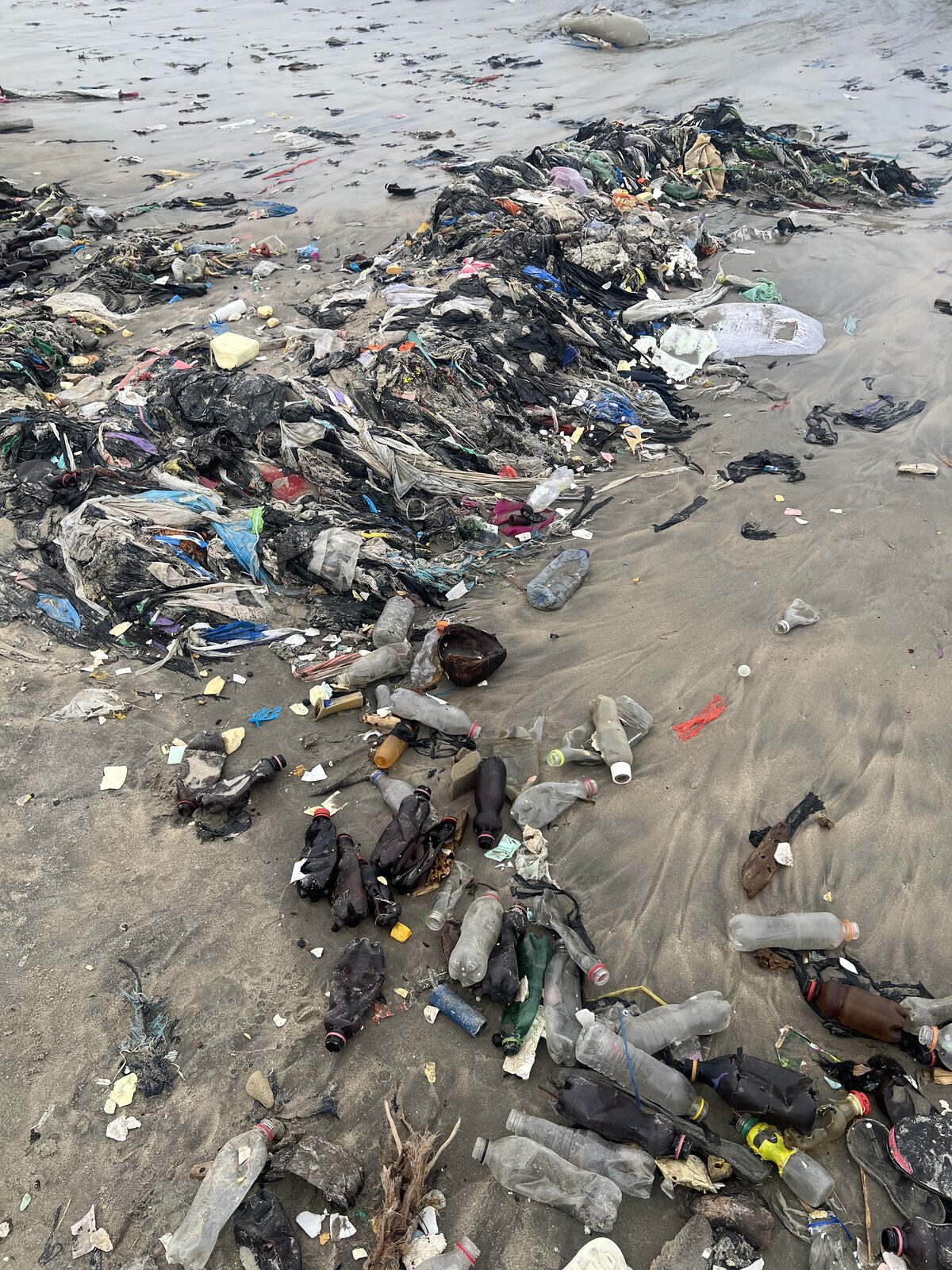
Carbon work for fashion brands and retailers carries methodology challenges that don't appear in other sectors. The supply chain is long, fragmented, and global. Primary data is held two to four tiers upstream from the brand. Use-phase emissions are dominated by consumer washing and drying behaviour, which is difficult to allocate and easy to misrepresent. End-of-life emissions involve waste streams that span continents, with much of the post-consumer textile waste from Europe ending up in markets like Ghana, Kenya, and Chile, where it generates methane through landfill and open burning that has historically not been counted against the brand's footprint.
Symolem's work in fashion covers this full chain. We design carbon methodologies for brand-level, product-level, and value-chain disclosure. We support brands navigating the convergence of ESPR Digital Product Passports, CSRD disclosure, SBTi alignment, and increasingly the textile-specific delegated act methodology that will set product-level carbon requirements for textiles sold in the EU.
The work is also commercially urgent. EU retailers are adding carbon performance to their procurement criteria ahead of formal compliance dates. Brands with weak or undefended carbon methodology will fail wholesale qualification before they fail regulatory disclosure.
Voluntary carbon markets, buy, sell, design
Our voluntary carbon market work covers three positions in the market.
Buying credits credibly. Organisations using voluntary credits in their climate strategy now have to defend not just the credit quality but the framing of the claim. We advise on credit selection under the current integrity frameworks, on how to characterise the contribution credibly (avoiding the historical "offset" framing where it is no longer supportable), and on how to build a credit portfolio that survives the next decade of integrity revisions rather than just the current one.
Selling reductions credibly. Organisations generating reductions, through supply chain interventions, internal abatement, or third-party project investment, increasingly want to monetise or claim those reductions. We design the methodology trail that lets a reduction survive audit and qualify under the integrity frameworks that determine whether the claim is credible.
Designing new methodologies. Where existing methodologies do not cover a sector adequately, textiles, certain agricultural pathways, methane-specific interventions, circular economy approaches in emerging markets, we design new methodologies for VCS, Gold Standard, or sector-specific frameworks. This is methodology development as a strategic asset: a brand or sector that builds its own methodology under a registry has a first-mover position in the credit category it has defined.
Climate work in emerging markets
Symolem's work extends beyond the EU and UK regulatory regimes. We have active engagement with circular economy and waste management programmes in West Africa, particularly in Ghana, where the post-consumer textile waste corridor from Europe creates significant methane and waste management challenges. This work intersects with the voluntary carbon market, methane abatement in textile waste streams is an emerging category for carbon credit generation, and the Global South is where much of the volume sits.
We advise organisations operating across the textile waste value chain in emerging markets on carbon methodology design, MRV infrastructure, and the alignment between voluntary carbon market revenue and the regulatory pressure landing on EU brands through Extended Producer Responsibility (EPR) schemes.
The connection between EU EPR fees, post-consumer textile waste flows, and voluntary methane carbon credits in destination markets is one of the most underdeveloped intersections in the climate landscape. We work at that intersection.
How we engage
A typical climate engagement runs four to eight weeks and produces:
- -A defensible carbon methodology covering the relevant scope (organisational, product, or value chain)
- -A footprint or pathway built to that methodology, with the documentation trail required for audit
- -A view on how the work intersects with the disclosure regimes relevant to the client, CSRD, ESPR, SBTi, voluntary carbon market integrity frameworks
- -A 12 to 24 month roadmap for the next phase of climate work, including MRV infrastructure, supplier engagement, methodology refinement, or credit strategy as relevant
Methodology development engagements (for new voluntary carbon market methodologies) run longer, typically six to twelve months, and follow the development cycle of the registry under which the methodology is being submitted (VCS, Gold Standard, or sector-specific frameworks).
We hold a contributor seat on the UN/CEFACT UNTP Supply Chain Working Group, engage actively with UK climate policy development through DSIT and Defra, and have advisory roles across the voluntary carbon market integrity frameworks. We are based at Porton Down Science Park in Salisbury, with active programmes in the UK, EU, and West Africa.
Or get in touch directly, info@symolem.com